Landscaping Chessington: Creating Attractive, Practical Outdoor Spaces
 Landscaping Chessington homes and gardens is about much more than improving how a property looks. A well-planned outdoor space can make daily life more enjoyable, support biodiversity, add structure to a garden, and create a welcoming setting for family life, relaxation, and entertaining. In an area like Chessington, where properties range from compact suburban plots to larger family gardens, thoughtful landscaping can transform an ordinary outside area into something both beautiful and functional.
When people think about landscaping in Chessington, they often picture new lawns, planting beds, patios, and neat borders. While these features are certainly important, professional outdoor design is also about balance, flow, and using the available space in a way that suits the property and the people who live there. A garden should feel inviting throughout the year, with elements that look attractive in different seasons and still remain practical in wet weather, hot weather, and colder months.
Chessington landscaping projects often need to respond to changing needs. Some homeowners want a low-maintenance garden that stays tidy with little effort, while others want a more detailed outdoor space with vibrant planting, natural textures, and areas for sitting or dining. The best results usually come from combining visual appeal with sensible design choices. Good landscaping should never feel temporary or forced; it should feel like a natural extension of the home.
One of the strengths of landscaping Chessington gardens is the opportunity to create outdoor areas that suit different lifestyles. A family garden may need robust surfaces, safe play areas, and planting that can handle regular use. A quieter garden might focus more on privacy, layered planting, and comfortable seating areas. In both cases, the aim is to make the space feel coordinated and purposeful rather than crowded or unfinished.
Thoughtful layout is one of the foundations of successful Chessington landscaping. The way pathways, borders, patios, and planted areas are arranged has a major influence on how the garden feels. A narrow space can appear larger when lines are simple and the view is carefully managed. A bigger garden can feel more welcoming when it is divided into zones, each with its own role. Landscaping is therefore not just decorative; it is a form of spatial planning that shapes how the garden is experienced.
The local environment also influences design decisions. Soil type, light levels, drainage, shelter, and surrounding buildings all affect what will thrive and how the garden will function over time. A reliable Chessington landscaping approach takes these factors into account from the beginning. This ensures that planting is realistic, surfaces are durable, and the finished space suits the conditions it will actually face.
Many homeowners now look for gardens that are stylish without being demanding. This has made low-maintenance planting an important part of landscaping Chessington. Carefully chosen shrubs, ornamental grasses, evergreen structure, and resilient perennials can provide colour and texture with less upkeep than highly formal bedding schemes. These choices can be arranged to deliver interest across the seasons while reducing the time needed for constant replanting and heavy maintenance.
Hard landscaping also plays a central role in garden design. Patios, paths, edging, steps, retaining features, and decorative boundaries provide structure and help connect different parts of the garden. The right materials can completely change the mood of an outdoor space. Warm-toned paving can create a welcoming feel, while more contemporary finishes may suit a cleaner and more modern style. A balanced blend of hard and soft landscaping often produces the most attractive and lasting results.
 For many properties, the best landscaping in Chessington is the kind that feels seamless from the house to the garden. That can mean matching outdoor materials to the colours and style of the building, or it can mean using planting to soften stronger architectural lines. Either way, the goal is to create a natural transition that makes the home and garden feel connected rather than separate.
Designing a garden also means thinking about how the space will be used at different times of day and throughout the year. Morning sun, afternoon shade, wind exposure, and privacy all influence where seating areas, planting, and key features should go. In Chessington landscaping projects, these practical details often make the difference between a garden that is merely attractive and one that is genuinely enjoyable to use. A comfortable, sheltered spot with good light can become a favourite place for reading, dining, or relaxing.
Plant selection is another area where experience matters. The right plants can add rhythm, colour, movement, and structure, but they must also suit the site. Shade-loving plants may be ideal near fences or walls, while sun-loving species may be better in open areas. Mixing different heights and textures helps create depth and keeps the garden interesting. Chessington garden landscaping often benefits from a layered planting style that uses trees, shrubs, perennials, and ground cover together to create a more complete and cohesive look.
It is also important to consider seasonal performance. A garden that looks wonderful in spring but sparse in winter may not feel satisfying all year round. Well-planned landscape design in Chessington usually includes evergreen framework, autumn colour, winter stems, and plants that offer multiple points of interest. This creates continuity and helps the garden remain visually engaging even when flowering plants are at rest.
Another important feature of successful landscaping is texture. A well-designed garden combines smooth surfaces, soft foliage, structured planting, and natural materials to create contrast. Stone, timber, gravel, and planting each contribute a different effect. By balancing these elements, a garden gains depth and character. This is particularly valuable in suburban settings, where outdoor spaces can otherwise feel flat or repetitive.
Privacy is often a major concern for homeowners seeking Landscaping Chessington solutions. Screening can be achieved in a number of ways, from hedging and trees to trellis panels, climbing plants, and carefully positioned features. The best approach depends on the level of privacy needed and the style of the garden. Rather than creating a closed-off space, good screening can make a garden feel calmer and more comfortable while still allowing light and openness.
Drainage should never be overlooked. Even the most attractive garden can become difficult to use if water collects after rainfall. Responsible Chessington landscaping takes surface levels, soakaway potential, and water movement into account. Permeable materials, clever grading, and planting that supports moisture management can help avoid problems and maintain the garden’s long-term condition. Practical planning at the beginning reduces future maintenance and helps protect the investment in the outdoor space.
In many modern gardens, outdoor living is becoming just as important as planting. Seating areas, dining spaces, and social zones are now central features in many landscaping Chessington projects. A well-placed patio can extend the home into the garden, offering a space for entertaining or quiet relaxation. When these areas are designed carefully, they feel integrated rather than added on as an afterthought.
The middle of a garden is often the perfect place for a feature that draws the eye and anchors the layout. This could be a specimen tree, a water element, a sculptural plant, or a change in materials that signals a transition between spaces.  These focal points help guide the eye and give the garden a sense of direction. In effective Chessington garden design, even small details can have a large impact on the overall atmosphere.
Sound and movement can also enrich a garden. Plants that rustle in the breeze, water features that create gentle noise, and pathways that invite exploration all add to the sensory experience. A garden should not only be seen; it should be felt. The best landscaping in Chessington often creates an environment that changes subtly with weather, light, and season, making it more rewarding to spend time in.
For properties with limited space, smart design becomes even more important. Small gardens can still feel generous when the layout is clear and the planting is well chosen. Vertical planting, slim borders, reflective surfaces, and compact but effective features can all help make a smaller space more usable and appealing. The aim is not to fill every corner, but to create a sense of openness and purpose.
At the same time, larger gardens benefit from structure that prevents them feeling empty or disconnected. Pathways, planting groups, lawn areas, and destination points can help create flow. Chessington landscaping often involves balancing the desire for open green space with the need for usable and attractive features. When this balance is right, the garden feels both spacious and intentional.
Maintenance planning is another key part of long-term success. A beautiful garden should be manageable, not overwhelming. Choosing the right materials and plants from the start can save time and reduce stress later. Pruning needs, watering requirements, lawn care, and seasonal tasks should all be considered when shaping the design. A practical garden is more likely to stay attractive because it is easier to keep in good condition.
Materials play a major role in the identity of a garden. Natural stone can create timeless elegance, while brick edging or timber features may offer a warmer, more traditional feel. Gravel can soften transitions and improve drainage, while porcelain or concrete paving can produce a modern and crisp appearance. In landscaping Chessington properties, material selection often depends on the age of the home, the style of the garden, and the desired level of upkeep.
Lighting is another feature that can dramatically improve both atmosphere and usability. Carefully planned outdoor lighting makes gardens usable later into the evening while highlighting steps, planting, and architectural elements. Subtle lighting can also increase the sense of depth and safety. Well-positioned lights allow the garden to remain attractive after dark without overwhelming the natural feel of the space.
Colour is often underestimated in garden design. Foliage colour, flower tones, paving shades, fence treatments, and decorative accessories all contribute to the final impression. A calm scheme may use greens, silvers, and soft neutrals, while a more lively design may introduce stronger flowering tones and brighter accents. In Chessington landscaping, colour can be used to support the mood of the space and to tie together different features in a balanced way.
Another trend that suits many suburban gardens is wildlife-friendly planting. Native and nectar-rich plants can attract birds, butterflies, and pollinators, adding life and movement to the outdoor space. This approach can sit comfortably alongside neat, modern design or more traditional planting styles. A wildlife-conscious garden does not need to look wild or untidy; it can still be polished and well-structured while supporting biodiversity.
Family needs can also shape the design. Children’s play areas, open lawn space, durable surfaces, and secure boundaries all influence how a garden is arranged. A family-focused landscaping Chessington project often needs to be flexible, allowing the space to grow and adapt as lifestyles change. A good design balances present needs with future possibilities so that the garden remains useful over time.
For those who prefer a more refined appearance, formal structure can be introduced through symmetrical planting, shaped hedges, straight pathways, and controlled borders. This style can create a sense of calm and order. However, even formal spaces benefit from softness and variety. Including different plant heights, textures, and seasonal highlights helps avoid a rigid look and keeps the garden feeling welcoming.
One of the most rewarding parts of landscaping in Chessington is seeing how a well-designed garden changes the way a home is used. Families spend more time outside, guests feel more comfortable, and the property gains a stronger overall presence. The garden becomes a living part of the home rather than a separate exterior area. This transformation is often what makes landscaping such a worthwhile improvement.
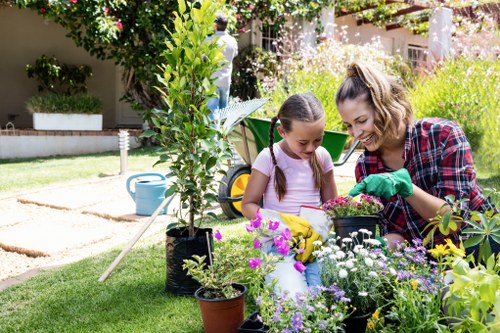 Good design also respects the character of the property. A garden should not clash with the house or the surrounding neighbourhood. Instead, it should feel appropriate to its setting while still reflecting individual taste. This can mean using traditional planting around period homes or choosing cleaner lines and contemporary materials for more modern properties. In either case, the best Chessington garden landscaping feels considered and harmonious.
As gardens mature, they often become better with age. Trees grow into their shape, hedges gain fullness, and planting establishes a stronger rhythm. For that reason, Landscaping Chessington should be viewed as a long-term investment rather than a short-term visual fix. When the structure is solid and the planting is well chosen, the garden continues to improve and develop character over time.
The process of shaping an outdoor space is as much about editing as adding. Removing clutter, simplifying awkward areas, and choosing features with purpose can have a greater effect than simply introducing more elements. A successful garden design focuses on clarity. It gives each part of the space a role and avoids unnecessary complication. This is especially important in residential areas where gardens need to remain practical as well as pleasing to the eye.
Homeowners seeking landscaping Chessington results often value spaces that feel both elegant and easy to use. That might involve a neat lawn framed by planting, a sheltered patio for outdoor meals, or layered borders that soften boundaries. Whatever the style, the aim is usually the same: to create a garden that improves daily life and adds lasting value to the property.
Ultimately, good landscaping is about thoughtful choices. It is about choosing materials that age well, plants that suit the site, and layouts that support how the garden will be used. It is also about understanding that the best outdoor spaces are not created by chance. They are shaped through planning, proportion, and attention to detail. In Chessington, where gardens vary widely in size and style, that thoughtful approach can make every outdoor space more rewarding.
There is also a strong emotional value in a well-designed garden. Outdoor spaces can provide calm, privacy, and a sense of retreat from busy routines. A beautifully arranged garden gives people somewhere to pause, think, and reconnect with nature. That sense of comfort is one of the reasons Chessington landscaping remains so popular among homeowners looking to improve their properties in a meaningful way.
Whether the goal is a polished modern finish, a welcoming family garden, or a more natural and layered setting, the principles remain consistent. Strong structure, suitable planting, durable surfaces, and a clear layout all matter. When these elements come together, the garden feels coherent and satisfying. Landscaping Chessington is therefore not just about improving appearance; it is about creating an outdoor environment that works beautifully in everyday life.
 As trends come and go, the most enduring gardens are those built on sound design and a clear understanding of place. A successful outdoor space in Chessington should feel balanced in every season, attractive from the house, and practical for the people who use it. When landscaping is approached with care, the result is a garden that adds comfort, character, and lasting appeal for years to come.