Garden landscaping in Chessington
Transforming an outdoor space is about more than adding plants and paving. For homeowners, landlords, and local businesses, Garden landscaping in Chessington is often the difference between a space that feels unused and one that genuinely works for day-to-day life. Whether you want a neat front garden that welcomes visitors, a practical family-friendly rear garden, or a more polished exterior for a commercial property, a well-planned landscaping service can bring structure, comfort, and lasting value.
Chessington has a mix of property styles, from post-war family homes and semi-detached houses to newer developments, maisonettes, and business premises on busier roads. That variety means every project needs a tailored approach. Sloped gardens, narrow side access, shared driveways, and limited parking can all affect how a job is planned. A local team understands those realities and can build a landscape that suits both the property and the people using it.
Our approach to garden landscaping focuses on creating outdoor areas that are attractive, durable, and practical throughout the year. From redesigning tired lawns and installing new borders to building patios, paths, raised beds, and low-maintenance planting schemes, the goal is always the same: a space that feels right for your home or business and is manageable in the long term.
Why local landscaping matters in Chessington

Local knowledge makes a real difference when planning outdoor works. Chessington properties often face the same core issues: compact plots, mature boundary trees, heavy clay or mixed soils in some areas, and gardens that need to cope with family use, pets, or regular foot traffic. A local landscaping team knows how these conditions affect drainage, plant choice, patio stability, and overall design.
There is also the practical side. Access can be tight in some streets, and many homes have limited room for materials, machinery, and waste removal. A local service can plan deliveries, protect driveways and paths, and work around neighbours and parking restrictions with far less disruption. That is especially helpful in residential roads where space is limited and timing matters.
For commercial customers, including offices, retail premises, schools, rental properties, and hospitality venues, external presentation matters just as much. A tidy, well-designed frontage can improve first impressions, support safety, and reduce ongoing maintenance. Local landscaping in Chessington is not just about looks; it is about creating usable outdoor space that performs well in real conditions.
Services included in garden landscaping
Every garden is different, so a landscaping project can involve a wide range of tasks. Some customers want a complete redesign, while others simply need selected improvements. Either way, a structured service should cover the design, preparation, installation, and finishing stages so the result feels cohesive rather than pieced together.
Typical landscaping work in Chessington may include planting plans, turfing, borders, retaining features, paving, pathways, decorative stone, edging, fencing coordination, sleeper beds, and practical drainage improvements. It can also include improvements for low-maintenance living, such as replacing patchy grass with durable surfaces or choosing planting that suits the amount of sun and shade in the garden.
Well-planned landscaping should improve how the garden functions as much as how it looks. A good layout can make a small space feel larger, create a separate dining area, reduce muddy patches, and make access easier for prams, wheelchairs, or garden equipment. The result is an outdoor area that feels more inviting and easier to maintain.
Popular landscaping improvements for local homes

Many homeowners in Chessington choose a combination of improvements rather than one single feature. That is often the best way to get a garden that feels balanced and works for everyday use. A fresh lawn with improved edging, for example, can instantly tidy up a front or rear garden, while new paving or a seating area can create a practical place to relax outdoors.
Common requests include replacing worn turf, reshaping awkward borders, creating gravel or bark areas for easy maintenance, and adding structure with raised planters or timber sleepers. In family gardens, a more robust layout is often preferred, with enough open space for children to play and surfaces that are easy to clean. In smaller gardens, vertical planting and smart paving layouts can make the area feel less cramped.
For those wanting a more polished finish, a landscaping project may include layered planting with evergreen shrubs, seasonal colour, and carefully chosen materials that complement the property. The aim is to build something that looks good immediately and continues to improve over time as planting matures.
How the service usually works
A good landscaping process should be clear and straightforward from the beginning. Most projects start with a site visit or an initial discussion to understand what you want from the garden, how the space is used, and what practical problems need to be addressed. This stage is important because a garden should be designed around your lifestyle, not just around visual trends.
Once the overall direction is agreed, the next step is planning the layout and deciding on materials. This might include surface types, planting areas, borders, drainage considerations, and any features that will help the garden feel more usable. For example, a north-facing rear garden may need more shade-tolerant planting, while a family garden may benefit from robust paving and clear circulation routes.
After planning comes preparation. This can involve clearing overgrown areas, removing old turf or hard landscaping, levelling, improving soil, and preparing foundations for new features. Good preparation is often what separates a short-lived finish from a landscape that stays attractive and stable over time.
From planning to completion

Once the ground is ready, installation begins. Depending on the scope of the project, this may involve laying new paths, building retaining elements, fitting edging, constructing raised beds, and installing planting schemes or turf. Each stage should be handled with care so that levels are consistent, lines are neat, and the finished space feels intentional.
Finishing touches matter just as much as the main build. These details might include tidying borders, setting out decorative materials, checking drainage flow, and making sure the garden is ready for use. A strong finish helps a space look complete and easier to care for from day one.
For customers who are managing a busy household or a commercial site, it is also helpful when the process is organised in a way that keeps disruption to a minimum. Clear scheduling, sensible site protection, and clean working practices all help the job run smoothly.
What makes a Chessington garden different?
Chessington gardens can vary a great deal, even within the same road. Some have generous lawns with mature boundaries, while others are compact, split-level, or shaped around extensions and side returns. This means landscaping choices need to be flexible. A solution that works in one property may not be suitable for another just a few streets away.
Drainage is a common consideration. Parts of the area may experience pooling after heavy rain, particularly where clay soil or compacted ground is present. Careful groundwork, suitable gradients, and the right surface materials can make a noticeable difference. So can choosing planting that copes with local conditions instead of struggling in them.
Chessington garden landscaping should also reflect how people live locally. Many households want outdoor spaces that are practical for children, pets, entertaining, and simple day-to-day use. Others prefer a low-maintenance garden that looks good without constant attention. A local team can help balance these priorities and recommend features that fit your routine.
Design ideas for different property types
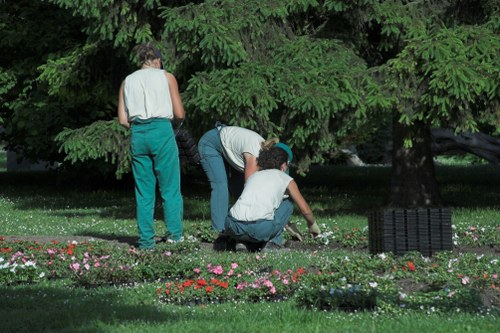
For semi-detached and terraced homes, space is often limited, so layout efficiency matters. A carefully designed patio, a slim border, and well-chosen planting can create the sense of a larger garden without overcrowding it. In these spaces, every metre needs a purpose, whether that is dining, storage, play, or visual appeal.
For larger family gardens, there may be more opportunity to divide the space into zones. One area can be reserved for dining or entertaining, another for lawn and play, and another for planting or utility use. This kind of layout works especially well where the garden needs to support different activities throughout the year.
Commercial properties may need a more restrained and durable approach. Clean lines, easy-care planting, weed-suppressing materials, and simple access routes can all help reduce maintenance while keeping the site presentable. In these settings, landscaping is often about making sure the outside area reflects the professionalism of the business indoors.
Practical benefits for homeowners and businesses
There are many reasons customers invest in landscaping, and appearance is only one of them. A well-designed garden can increase usable space, reduce maintenance, improve safety, and make everyday outdoor tasks easier. For example, replacing uneven patches with level surfaces can improve access, while better borders and planting can reduce runoff and help control muddy edges.
For homeowners, this often means less time spent on repairs and more time enjoying the garden. For landlords, it can mean a better-presented rental property that feels more cared for. For businesses, it can mean a more welcoming exterior and a site that is easier to maintain through the changing seasons.
Good landscaping is a long-term improvement. The most effective choices are usually the ones that continue to perform well after the initial work is complete. That is why material selection, ground preparation, and layout planning are so important. They influence how much maintenance the garden needs and how well it stands up to weather and everyday use.
Features that improve everyday use

Some of the most useful landscaping additions are also the simplest. A level path between the house and the back gate, for instance, makes daily movement easier. Defined borders reduce the sense of the garden becoming messy or overgrown. Raised beds can make planting more accessible and add a strong visual structure to a flat plot.
Lighting is another practical feature for many properties, particularly where entrances, steps, or seating areas need to feel safer and more usable after dark. While lighting may not be the first thing people think of when planning landscaping, it can be one of the most effective finishing touches.
Likewise, choosing the right planting scheme can save a lot of time later. Evergreen plants, hardy shrubs, and a mix of perennials can provide interest without constant replanting. If your garden gets strong sun, partial shade, or a lot of wind, plant choice should reflect that rather than rely on generic combinations.
What is included in a typical landscaping project?
Customers often want to know what they will actually get as part of a project. While every job is different, a well-organised landscaping service should usually include preparation, installation, and finishing. The exact scope depends on your garden, your budget, and the changes you want to make.
A typical project may involve:
- Removing unwanted turf, plants, or old garden features
- Preparing and levelling the ground
- Installing new paving, paths, borders, or edging
- Improving soil conditions where needed
- Planting shrubs, perennials, and seasonal features
- Adding turf or alternative surface finishes
- Creating raised beds, planters, or retaining structures
- Helping with drainage-related improvements where appropriate
- Tidying the site and leaving it ready for use
Some customers prefer a phased approach, where the most urgent improvements are done first and further features are added later. That can be especially useful for larger gardens or properties that need to stay operational during the works.
If you are unsure where to begin, a simple conversation about how you use the space can be the best starting point. From there, the design can be shaped around your priorities instead of forcing you into a one-size-fits-all layout.
Preparing for landscaping work
Preparation helps the project run more smoothly and can reduce delays on the day. You do not need to do everything yourself, but there are a few practical steps that are worth considering before work begins. These small actions can make access easier and help protect items you want to keep.
Useful preparation steps include:
- Clearing personal items, toys, pots, and furniture from the work area where possible
- Letting the team know about narrow gates, shared access, or parking restrictions
- Pointing out any delicate planting or features you want preserved
- Discussing whether pets need to be kept inside or away from the garden
- Making sure access paths are open for materials and waste removal
- Highlighting any drainage issues, low spots, or areas that flood after rain
It is also helpful to think about how you will use the garden once the work is complete. Will you need a play area, a dining space, extra storage, or low-maintenance planting? Clear priorities make it easier to shape a design that feels practical from the start.
Pricing factors and what affects the cost
While exact prices vary from one project to another, customers can better understand costs by looking at the main factors that influence a landscaping quote. These usually include the size of the garden, the amount of preparation required, the type of materials selected, and how complex the layout is.
For example, a simple refresh involving turfing and border tidying will usually involve less work than a complete redesign with new paving, retaining features, drainage improvements, and extensive planting. Access can also influence the process, particularly in Chessington where some homes have side passages or limited rear access, meaning materials may need to be carried through narrower routes.
Material choice makes a difference too. Natural stone, premium paving, timber features, and specialist planting can all affect the overall budget. On the other hand, many attractive and practical solutions can be achieved with thoughtful planning and durable, well-chosen materials rather than expensive extras.
When requesting a quote, it helps to be clear about priorities. If your main goal is a usable family space, the budget may be best focused on layout and hard surfaces. If your main goal is presentation, the emphasis may be on planting structure and finishing details. A sensible quote should reflect your actual needs rather than a generic package.
Why choose a local company for garden landscaping in Chessington
A local company brings practical advantages that are easy to overlook until a project is underway. Familiarity with local property layouts, common garden sizes, and access issues means the work can be planned more efficiently. That often leads to fewer surprises and a smoother experience overall.
Local landscapers are also better positioned to understand the pace of the area, the kind of outdoor spaces people want, and the materials that tend to work well in local conditions. Whether your garden is near a busier road, on a quieter residential street, or part of a mixed-use commercial site, local experience helps shape a more realistic plan.
Choosing a nearby team can also make communication easier. When the people working on your garden understand the area, they are more likely to account for parking, neighbours, access times, and the practical details that affect how the job runs. That makes the service feel more responsive and better organised.
Areas covered around Chessington
Garden landscaping is often needed across Chessington itself and nearby parts of the surrounding area. Many customers also live or work in nearby neighbourhoods, where similar property types and outdoor space challenges are common. A local service is well suited to both domestic and commercial projects across a wider area.
Depending on the project, nearby areas may include places such as Surbiton, Tolworth, Hook, Kingston upon Thames, Epsom, Worcester Park, and other surrounding local communities. If your property is on a boundary between areas, a local team can usually still help, especially when the work involves garden redesign, planting, paving, or general landscape improvements.
Because every site is different, it is worth checking whether your location, access route, or job size fits the service you need. The benefit of working locally is that practical details can be discussed in context, not treated like an afterthought.
Frequently asked questions
Below are some of the most common questions customers ask before booking landscaping work. If you are planning a project, these answers may help you decide what to request and how to prepare.
How do I know if my garden needs landscaping or just tidying up?
If the space has structural issues, poor layout, drainage problems, unusable surfaces, or planting that no longer suits the garden, landscaping may be the right option. If it only needs regular trimming and clearance, a simpler maintenance service may be enough. Many customers choose landscaping when they want a lasting improvement rather than a temporary tidy-up.
Can landscaping work for a small garden?
Yes. Smaller gardens often benefit the most from careful design because every part of the space has to work hard. Smart paving layouts, compact planting schemes, and clever use of levels or edging can make a small garden feel more organised and open.
What if my garden has poor access?
Poor access is common, especially in older or tightly packed streets. A local team can plan around narrow side entries, shared access routes, and limited parking. This may affect how materials are delivered and moved, but it does not usually prevent the work from being done.
Do I need a full redesign, or can I improve the garden in stages?
Many customers choose to improve the garden in stages. For example, you might start with ground preparation and hard landscaping, then add planting later. A phased approach can be useful if you want to manage budget, keep the garden partially usable, or decide on the final layout over time.
Is landscaping suitable for rental properties and commercial sites?
Yes. Rental properties often benefit from low-maintenance finishes and robust planting, while commercial premises may need tidy, professional-looking exteriors with easy upkeep. The best solution depends on how the space will be used and how much maintenance you want to take on.
How long does a landscaping project take?
The time required depends on the size and complexity of the job, weather conditions, ground preparation, and access. A simple update can be completed much faster than a full redesign with several features. It is best to discuss the scope early so expectations are clear.
Choosing the right style for your outdoor space
There is no single correct style for a garden. Some Chessington customers prefer a crisp, modern finish with paving, structural planting, and clean borders. Others want a more natural look with mixed shrubs, soft shapes, and seasonal colour. The right answer depends on the home, the people using it, and the amount of maintenance you are comfortable with.
It is often better to choose a style that suits the way you live rather than copying a look that may not fit the property. A garden used by children and pets needs durability. A garden used for entertaining may need more seating and open space. A front garden near a busy road may need screening, structure, and easy upkeep. A local landscaping service can help turn those needs into a practical design.
Good design should also consider how the garden looks through the seasons. Evergreen structure, hard-wearing surfaces, and planting with staggered interest can keep the space attractive year-round. That is especially useful in the UK climate, where gardens need to remain functional in wet weather as well as during summer.
What to expect from a professional finish
A professional landscaping project should leave you with a garden that feels tidy, balanced, and ready to use. Borders should be neat, surfaces should sit properly, and planting should be placed with enough room to grow. Levels should make sense, and drainage should be considered so water moves away from problem areas where possible.
The final result should not feel overcomplicated. Some of the best gardens are straightforward, well-proportioned, and easy to maintain. They look good because the right decisions were made early, not because the space was filled with unnecessary features.
That is the real value of local garden landscaping in Chessington: a thoughtful space that suits the property, supports everyday life, and is built with local conditions in mind.
Ready to improve your garden?
If your outdoor space is no longer working for you, now is a good time to explore your options. Whether you are planning a full transformation or just want to improve a few key areas, a tailored landscaping service can make the process easier and the result far more satisfying. From family gardens and private homes to commercial premises and rental properties, the right design can bring out the best in the space you already have.
Contact us today to discuss your ideas, request a free quote, or talk through the practical details of your garden. If you are looking for reliable, local help with garden landscaping in Chessington, a well-planned project can turn an underused outside area into something you will genuinely enjoy.
Book your service now and take the first step towards a better-looking, more functional garden that fits your home, your schedule, and your surroundings.